Site per install
Each house or array is a site; close it when the job is done and its history stays for warranty questions.
Solar installers residential rooftops · commercial · utility-scale
Residential crews finish a rooftop system in a day or two and drive to the next. Utility-scale crews spend months on an array where the nearest cell tower is miles away. GEOTT handles both: a geofence per install, clock-ins saved on the phone when there's no signal, and hours per install at the end of the month.
$7 per active worker a month · works without signal · 15-day trial, no card

Distance and pace. Residential crews may cover 8 to 10 installs a week across a metro area; commercial and utility crews work far from towns, often without coverage. Hours per install drive your margins, yet they're usually reconstructed after the fact. GEOTT records them at the install, signal or not.
| Situation | Residential | Utility-scale |
|---|---|---|
| Site duration | 1–2 days per house | Weeks or months |
| Signal | Usually good | Often none |
| Geofence | Tight, around the house | Wide, around the array |
| What GEOTT adds | A new site in seconds with "I'm here" | Clock-ins saved on the phone, synced later |
The crew lead (with admin rights) creates the install with "I'm here", or the office types the address the day before. Installers clock in on arrival with one tap; the position is read once, checked against the install's circle and screened for faked GPS. Electricians who join for the tie-in clock in on the same site.
Each house or array is a site; close it when the job is done and its history stays for warranty questions.
GPS works without cellular data. The punch is checked on the phone, saved, and sent when the crew drives back into coverage.
Finish one install, switch site at the next. The day is split between the two automatically.
Overtime after 40 hours a week, automatic breaks and rounding rules applied the same way for every installer.
A sample week with invented installs for a residential crew of four. GEOTT shows 160 hours across five installs and the warehouse, with the 11 kW system taking almost twice the hours of the 6 kW one. Those numbers, month after month, are what you price the next job on.
| Install (sample) | System size | Crew hours |
|---|---|---|
| Ranch house, comp shingle | 6 kW | 22 |
| Two-story, tile roof | 11 kW | 42 |
| Townhome, flat roof | 5 kW | 20 |
| Farmhouse, ground mount | 9 kW | 40 |
| Small office, flat roof | 15 kW | 30 |
| Warehouse prep | — | 6 |
The farmhouse had no signal: its punches synced when the crew got back to town. On an iPhone they upload the next time GEOTT is opened with coverage. Details on offline clock-in.
Rooftops have open sky, where phones are typically within 4.9 m (16 ft), according to GPS.gov, so a house needs a small circle. A utility array can need the maximum: GEOTT allows radii up to 2,000 m (about 6,560 ft), enough to cover the laydown yard and the far rows.
More on sizing: geofence time tracking.
| Site | Suggested radius |
|---|---|
| Residential rooftop | 50 m (about 165 ft) |
| Commercial rooftop | 150 m (about 490 ft) |
| Ground mount or carport | 250 m (about 820 ft) |
| Utility-scale array | Up to 2,000 m (about 6,560 ft) |
$7 per worker who clocked in during the month. Three crews of four cost $84 in a month when all twelve worked. Designers, sales and office staff who don't clock in are free, there's no per-site fee and no annual plan.
More examples: GEOTT pricing. Every function: features.
Solar installer questions
One that sets up a new install in seconds, keeps working on rural sites without signal and gives you hours per install. GEOTT does those for $7 per active worker, opens from a link on any phone and can be tested for 15 days without a card.
Yes. Phones get GPS position from satellites, not from cell towers. GEOTT checks the punch on the phone, saves it, and uploads it once the phone finds a network, with the original time. The office simply sees it later.
If they work under your crew, invite them as workers on the install; they're billed at $7 only in months they clock in. If they bill you separately, keep them out of GEOTT and use their invoice.
No. Position is read only at clock-in, site change and clock-out, never on the road. Each installer can see exactly what GEOTT records about them, and the rules by state are in is GPS tracking of employees legal?
Any company whose people start the day on a job site instead of in an office. Each page takes one trade, its typical day and the radius that fits its sites.
 Construction Two or three sites a day, basements with no signal.
 Commercial cleaning Many buildings a night, short shifts, hours per building.
 Landscaping and lawn care Six properties a day, quiet winters that cost nothing.
 HVAC Installs and maintenance contracts, rooftops and mechanical rooms.
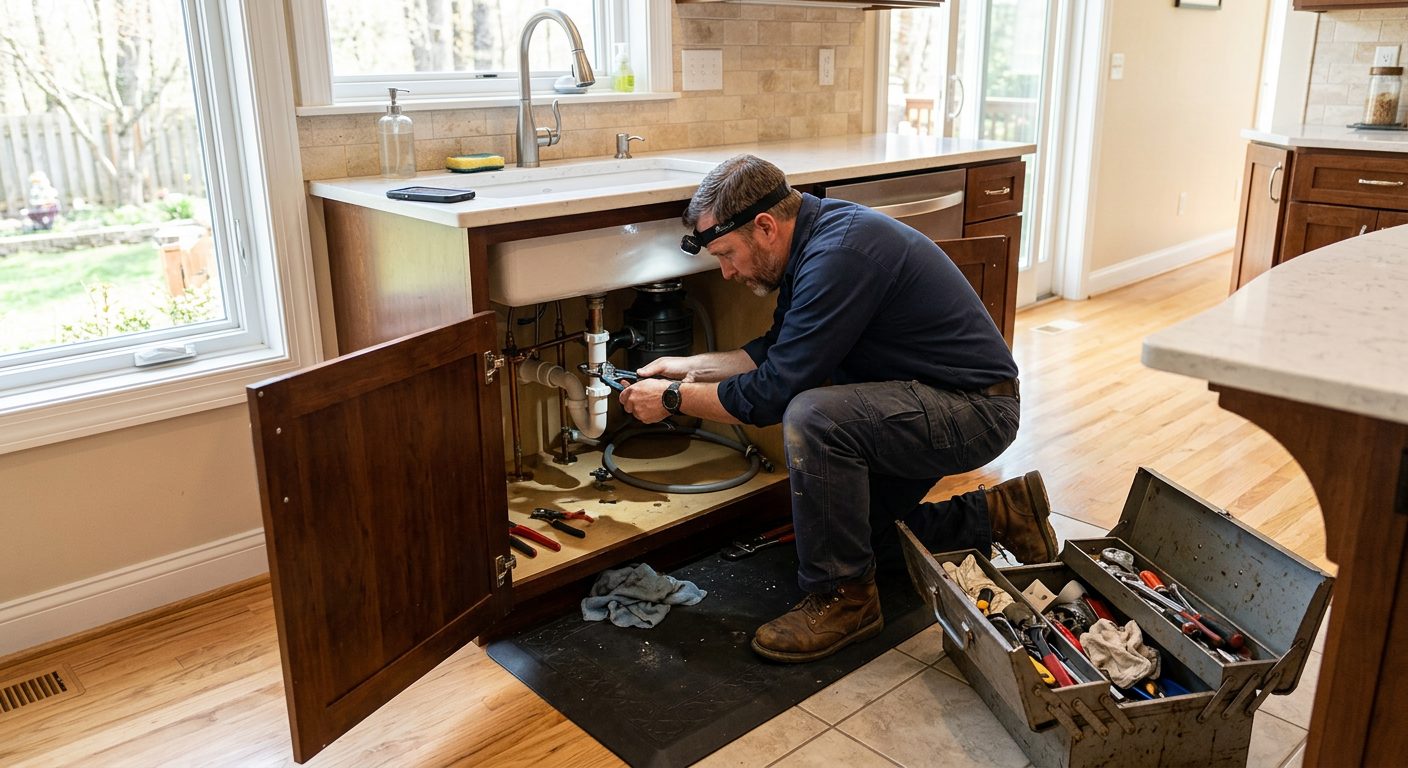 Plumbing Rough-ins, remodels and service contracts, often below ground.
 Electrical Long commercial jobs, crews split between projects.
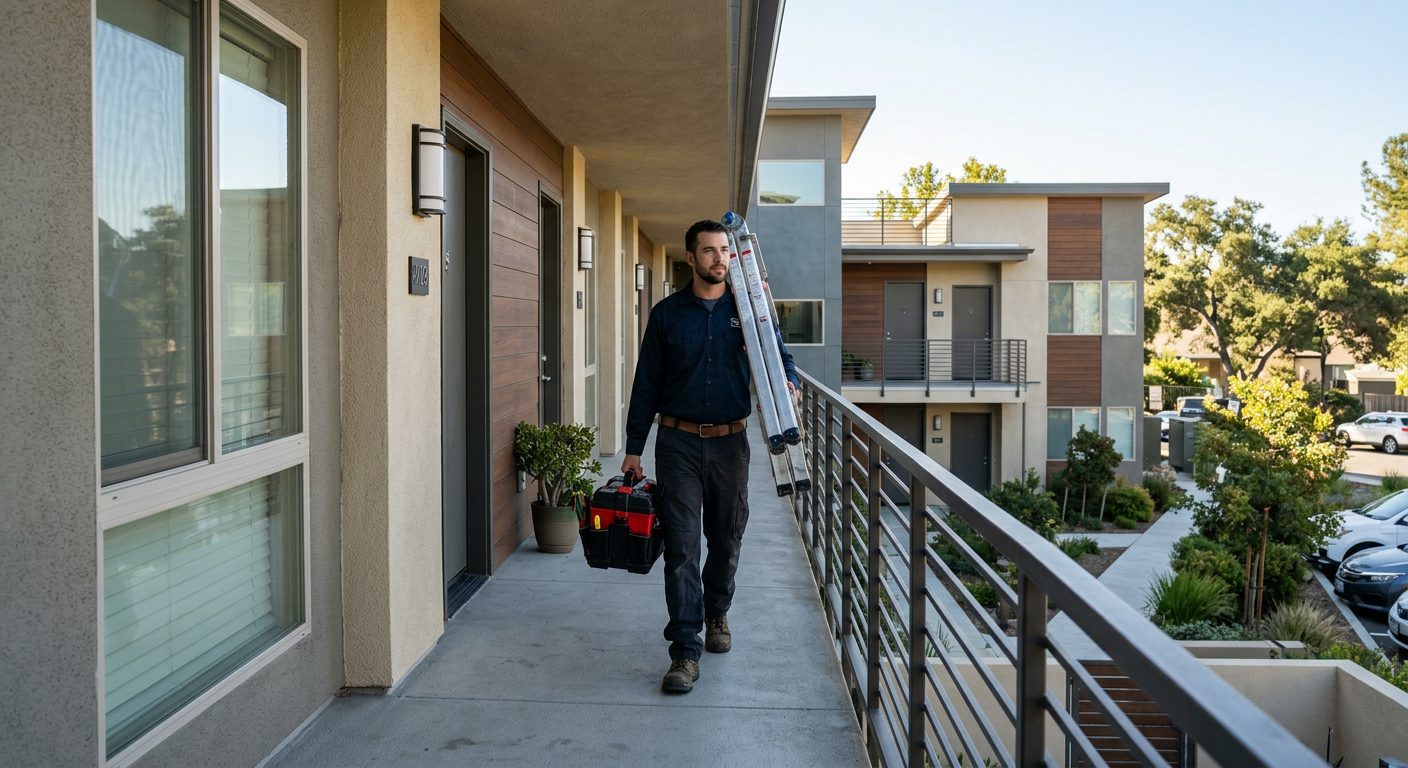 Property maintenance A portfolio of buildings and hours you can bill per property.
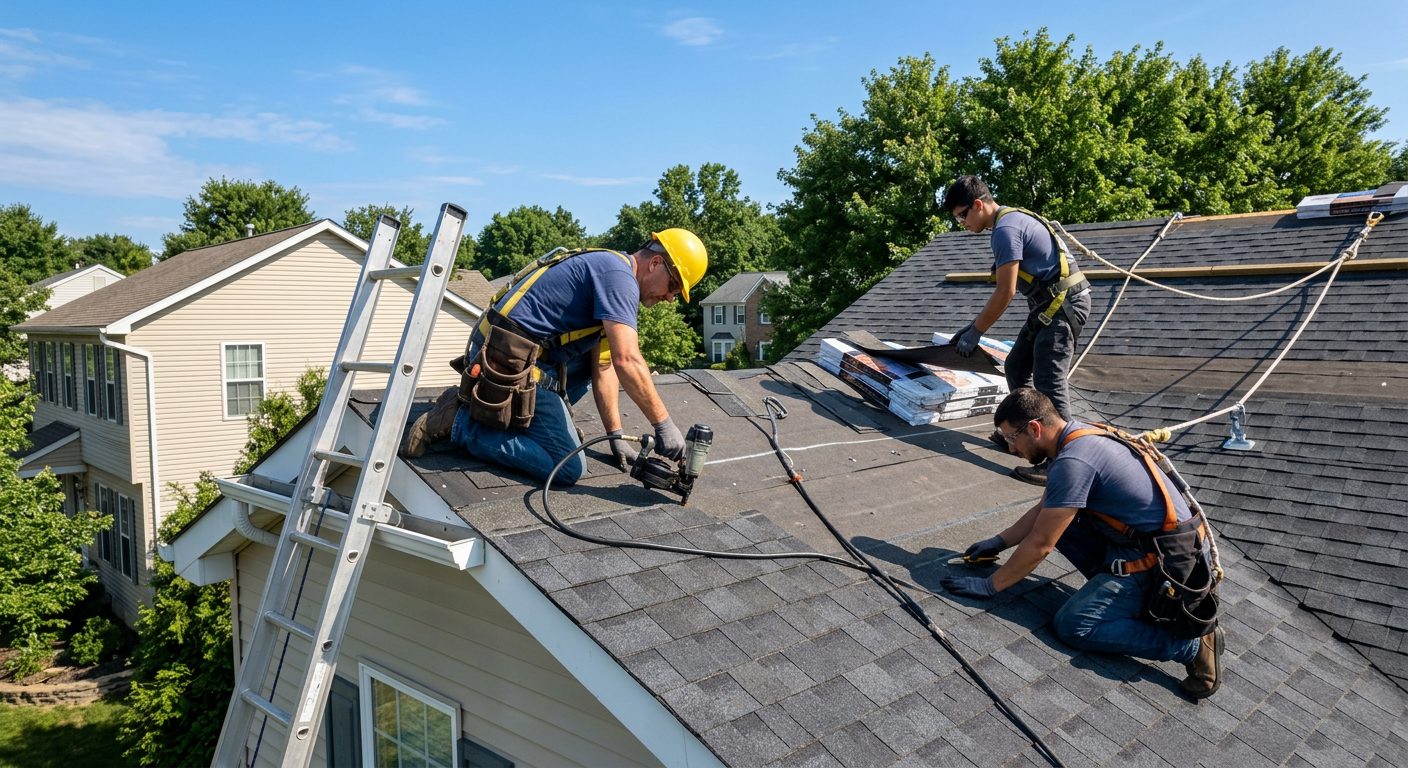 Roofing One- to three-day jobs, weather stops, new site every week.
 Painting Interior and exterior jobs, crews that move mid-week. Solar installation A house or two a day, rural roads, big utility sites.
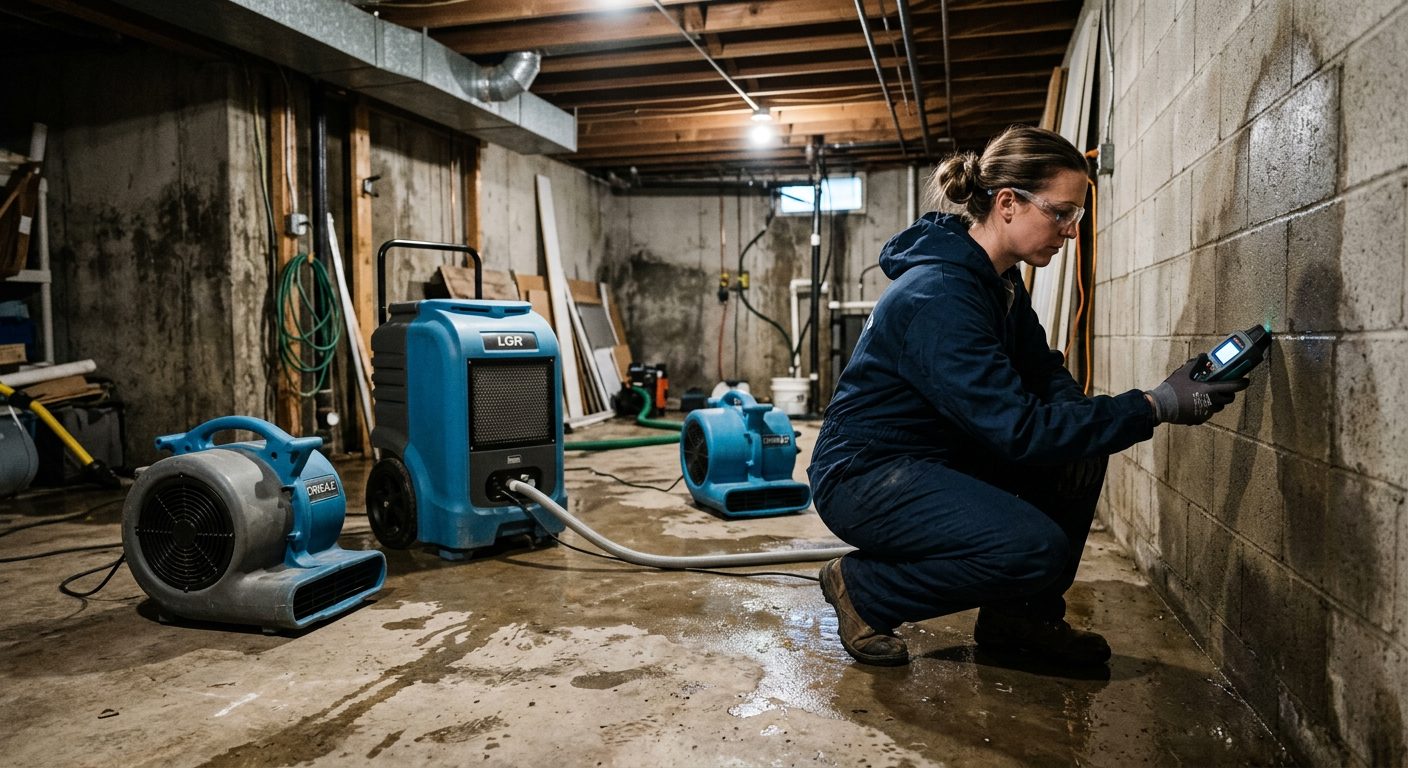 Restoration Emergency calls, drying visits, basements with no bars.
 Pest control Commercial accounts and crews on recurring sites.
 Security guards Fixed posts, night shifts and reliefs that start on time.
 Agriculture Seasonal crews, large fields, no signal on the back forty.
 Events and catering A new venue every day and temporary staff.
Create next week's installs, add one crew and let them clock in for the trial, including on your most remote site. You'll have hours per install from the first day. The trial lasts 15 days and needs no credit card.