One reading, at the tap
Position is read only at clock-in and clock-out. GEOTT doesn't follow workers across the field during the day.
Farms and growers big fields · no signal · seasonal crews
Harvest crews start at sunrise on fields miles apart, often with one bar of signal or none. Paper sheets get filled in at the end of the week from memory. GEOTT lets each worker clock in at the field from their own phone, checks the position against the field's circle, and saves the punch on the phone when there's no network.
$7 per active worker a month · $0 in months nobody clocks in · app in English and Spanish

Distance, signal and turnover. Fields are large and far from the office, coverage drops out in the rows, and the crew in July isn't the crew in March. GEOTT handles each of these with features it already has, and it is clear about what it doesn't do: it doesn't count bins or calculate piece-rate pay.
| Problem | What GEOTT does |
|---|---|
| Fields too big for a small circle | Geofence up to 2,000 m (about 1.2 miles) per field |
| No signal in the rows | Punch saved on the phone with its original time, sent when the signal comes back |
| Crew size changes with the season | You pay only for workers who clocked in that month |
| Crew more at ease in Spanish | Each worker picks the app language: English, Spanish, French, German or Italian |
| Weekly sheets filled in from memory | Start and end times recorded at the field, the same day |
| Piece-rate counts, bins, yield | Not covered: GEOTT records time and place only |
The phone's GPS works without mobile data. When a worker taps clock-in with no network, GEOTT reads the position once, checks it on the phone against the field's circle, and saves the punch with the original time. When the phone gets signal again, the punch is sent; the server checks it again and the office sees it marked as offline.
Position is read only at clock-in and clock-out. GEOTT doesn't follow workers across the field during the day.
With no signal the punch waits on the phone with its original time. It isn't lost and isn't sent twice.
Back in coverage, at the truck or at the shed, the punches go out on their own and are checked again by the server.
A phone clock that doesn't match the server time or a position that looks faked is flagged for review, not accepted in silence.
More: offline clock-in.
A sample week with invented fields: one crew of 18 working three fields. GEOTT shows 846 hours split by field, with 61 punches made with no signal and synced later. The by-project export gives the hours per field, which is the figure to compare with each field's harvest.
| Field (sample) | Radius | Crew hours | Punches made offline |
|---|---|---|---|
| North lettuce block | 500 m | 378 | 12 |
| River strawberry field | 300 m | 306 | 41 |
| Hill orchard | 800 m | 162 | 8 |
Big enough to cover where the crew actually starts, from the gate to the far rows. Under open sky phones are typically within 4.9 m (16 ft), says GPS.gov, so the limit is the field, not the GPS. A large field can be split into blocks, each with its own site and circle.
More: geofence time tracking.
| Site | Suggested radius |
|---|---|
| Packing shed or greenhouse | 100 m (about 330 ft) |
| Strawberry or vegetable field | 300–500 m (about 0.2–0.3 miles) |
| Orchard or vineyard block | 500–800 m (about 0.3–0.5 miles) |
| Largest allowed | 2,000 m (about 1.2 miles) |
$7 per worker who clocked in during the month, and nothing for the others. A farm with 40 pickers from June to September pays $280 in each of those months; in the months when only 3 year-round workers clock in, it pays $21. Supervisors and office staff are free, and there is no per-field fee.
More: GEOTT pricing.
Farm questions
Yes. The clock-in is saved on the phone with its original time and position and sent when the phone gets signal again. The office sees it marked as offline, so it's clear why it arrived later.
Yes. Each worker chooses the language of the app on their own phone: English, Spanish, French, German or Italian. The office can use a different language at the same time.
No. GEOTT bills only workers with at least one clock-in in the month. Workers who left after the harvest stay in your list at no cost and can clock in again next season.
No. GEOTT records hours and where they were worked. Piece counts and pay stay in your payroll or farm management software; the hours export gives them the time side.
Any company whose people start the day on a job site instead of in an office. Each page takes one trade, its typical day and the radius that fits its sites.
 Construction Two or three sites a day, basements with no signal.
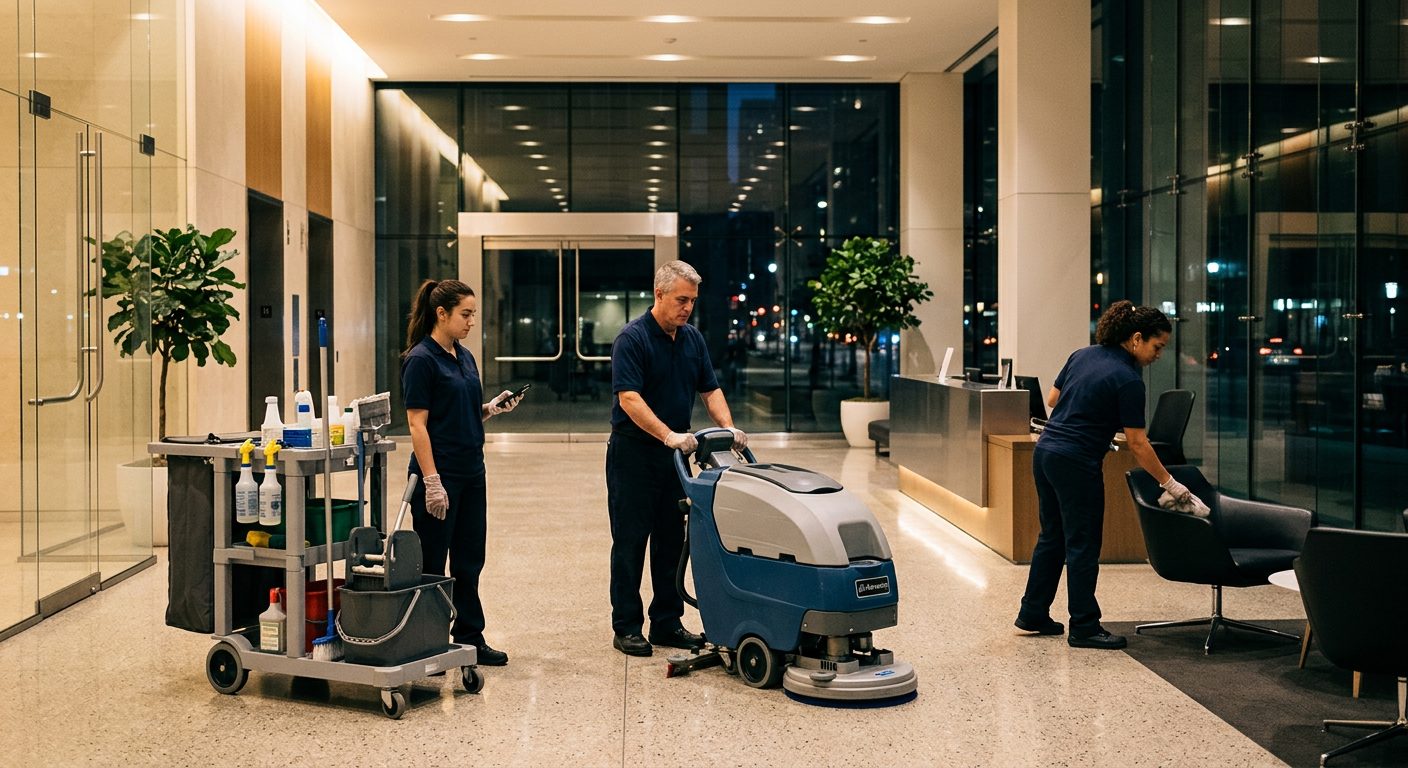 Commercial cleaning Many buildings a night, short shifts, hours per building.
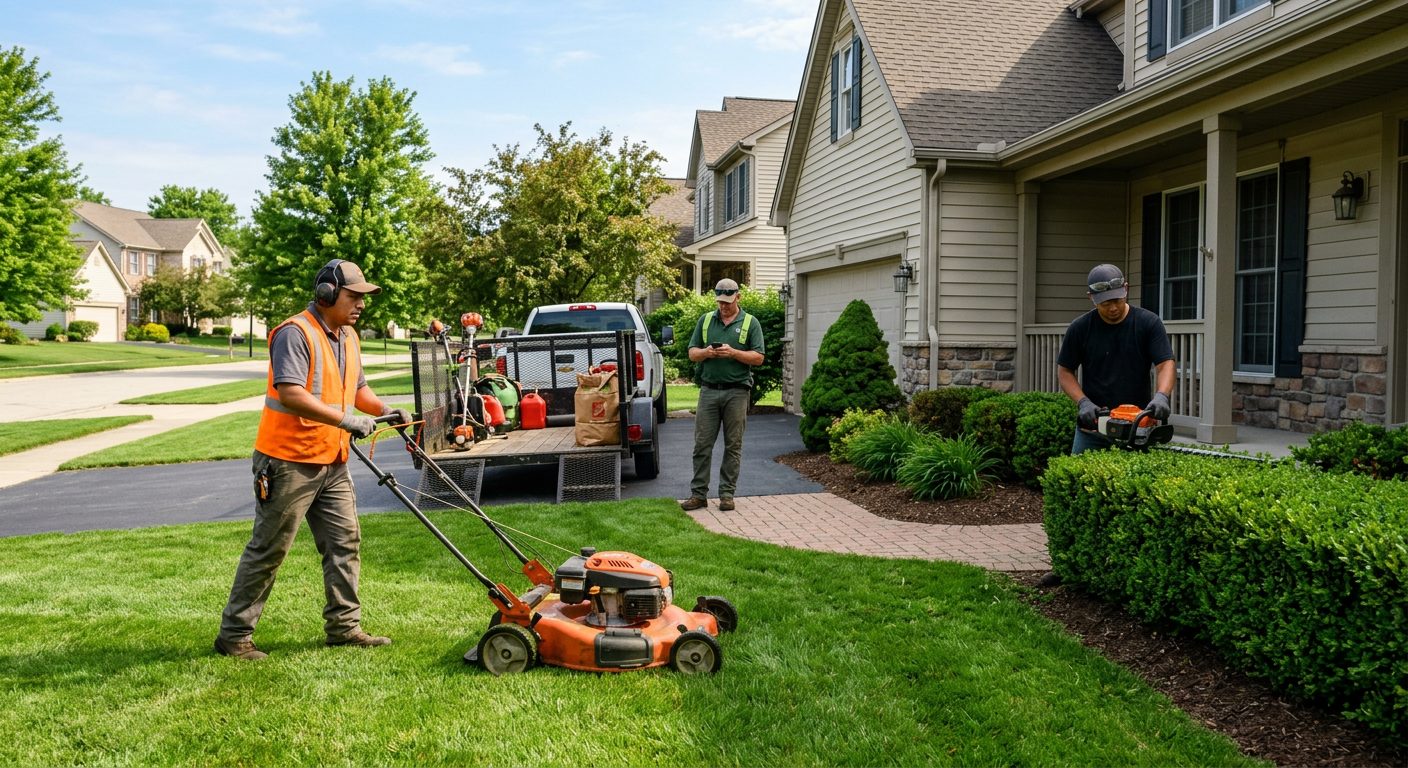 Landscaping and lawn care Six properties a day, quiet winters that cost nothing.
 HVAC Installs and maintenance contracts, rooftops and mechanical rooms.
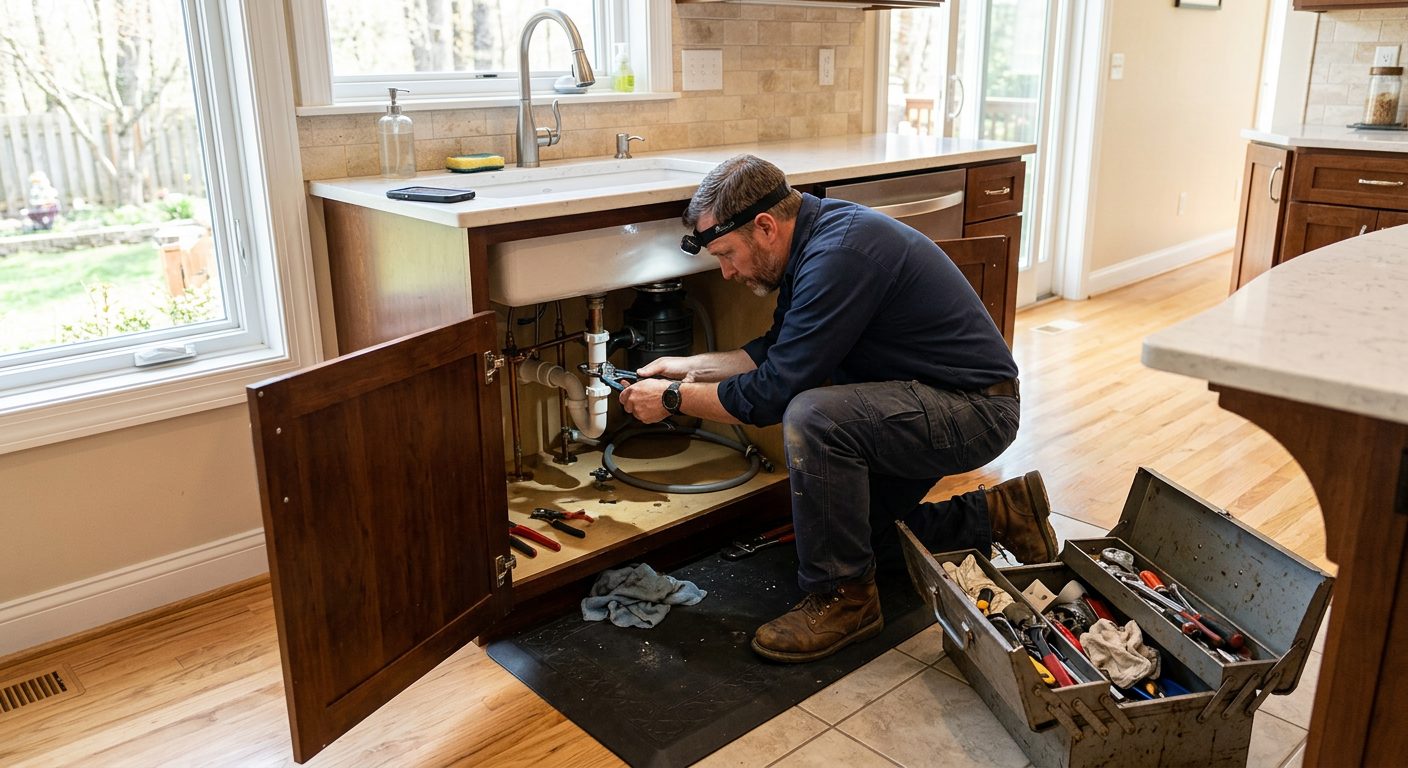 Plumbing Rough-ins, remodels and service contracts, often below ground.
 Electrical Long commercial jobs, crews split between projects.
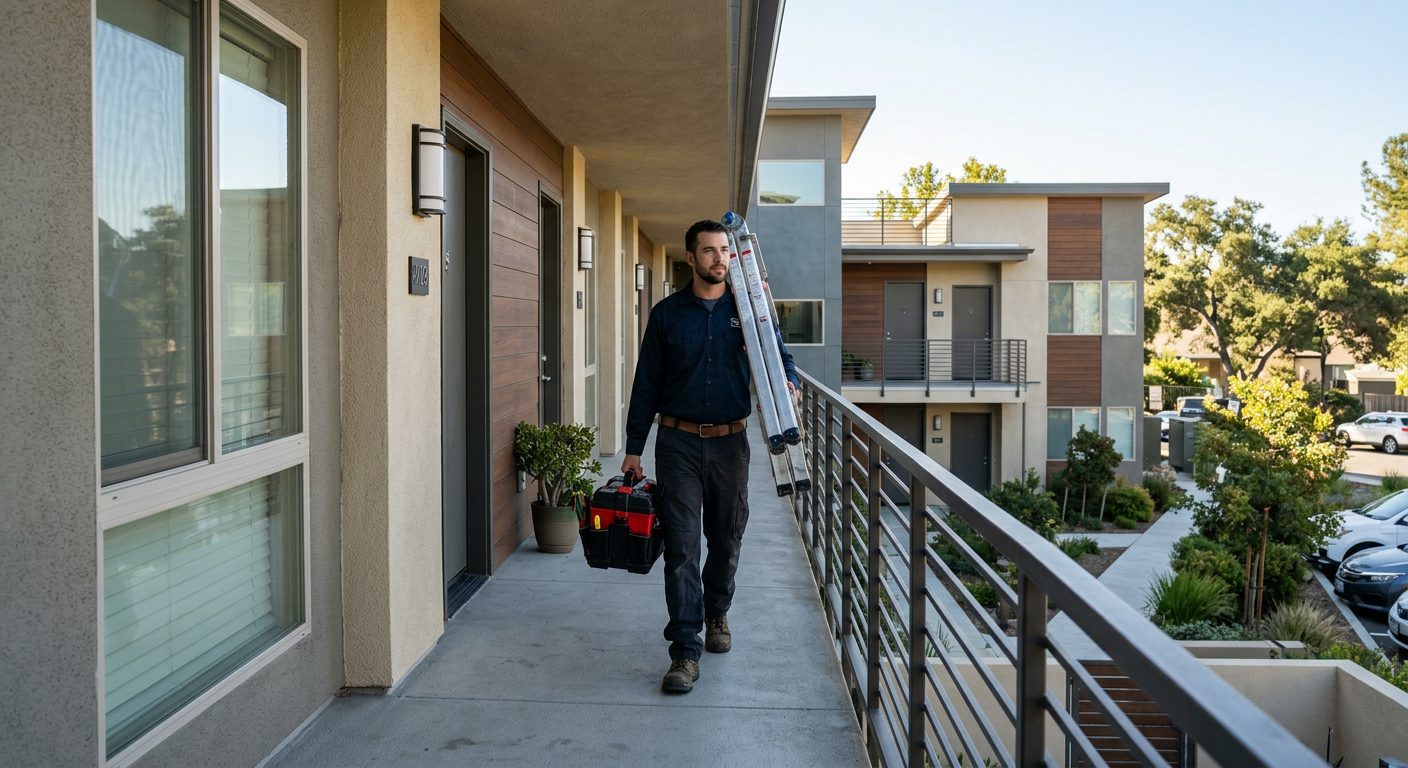 Property maintenance A portfolio of buildings and hours you can bill per property.
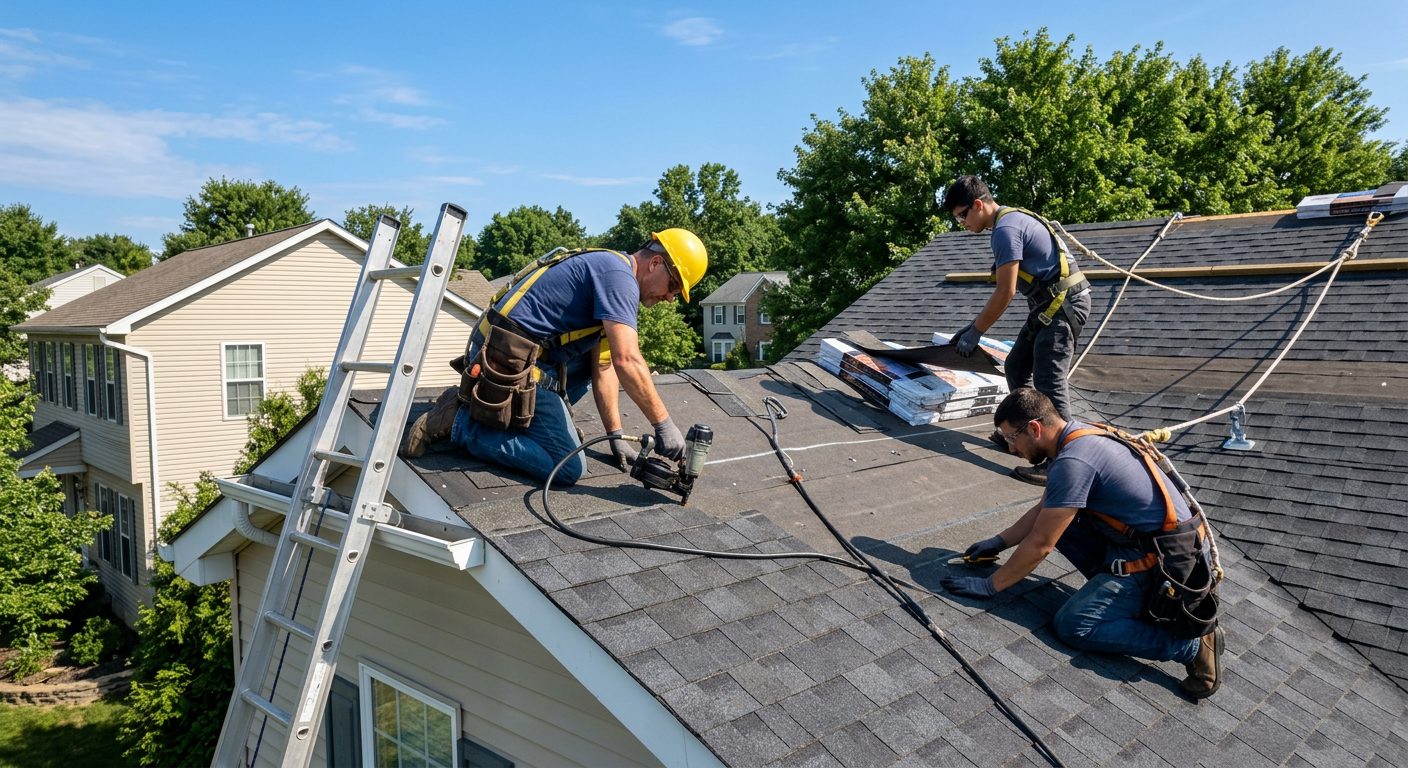 Roofing One- to three-day jobs, weather stops, new site every week.
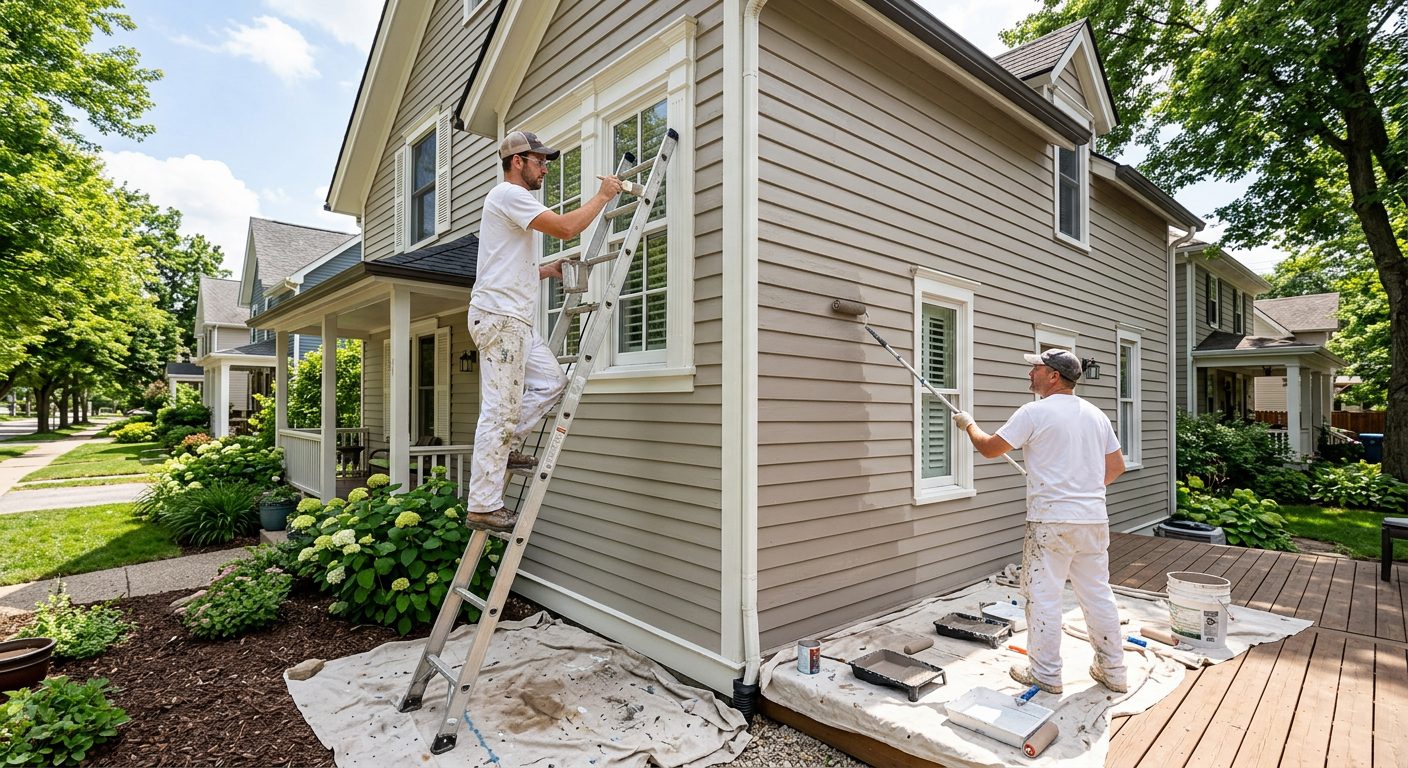 Painting Interior and exterior jobs, crews that move mid-week.
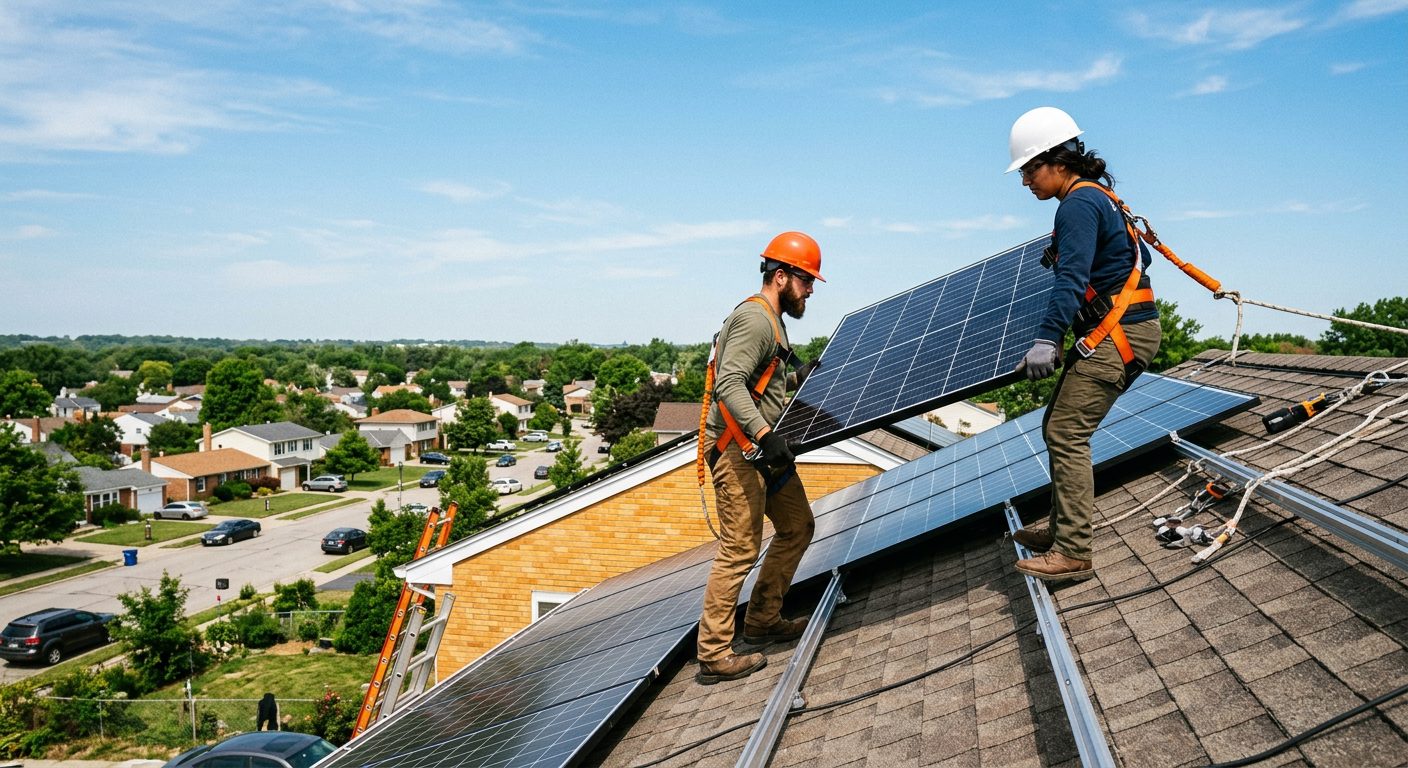 Solar installation A house or two a day, rural roads, big utility sites.
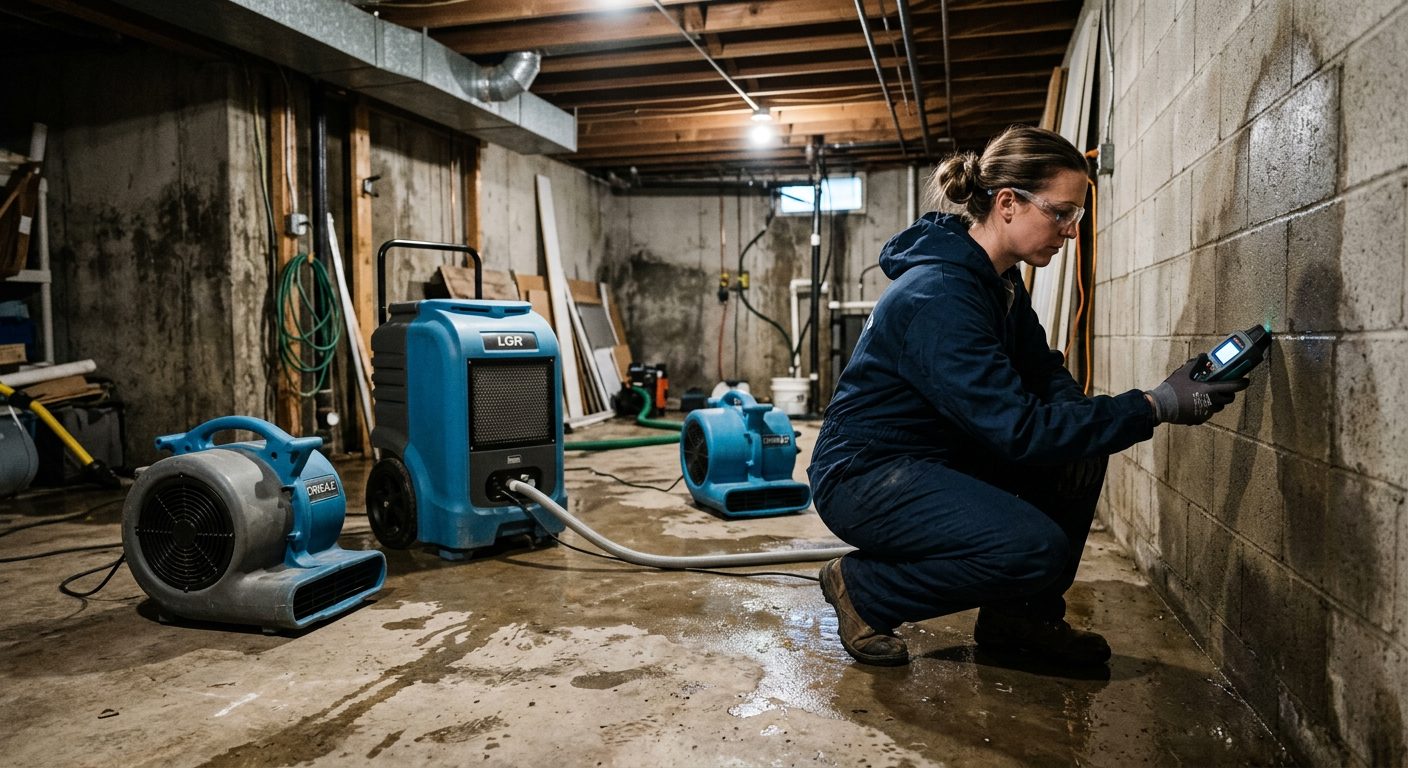 Restoration Emergency calls, drying visits, basements with no bars.
 Pest control Commercial accounts and crews on recurring sites.
 Security guards Fixed posts, night shifts and reliefs that start on time. Agriculture Seasonal crews, large fields, no signal on the back forty.
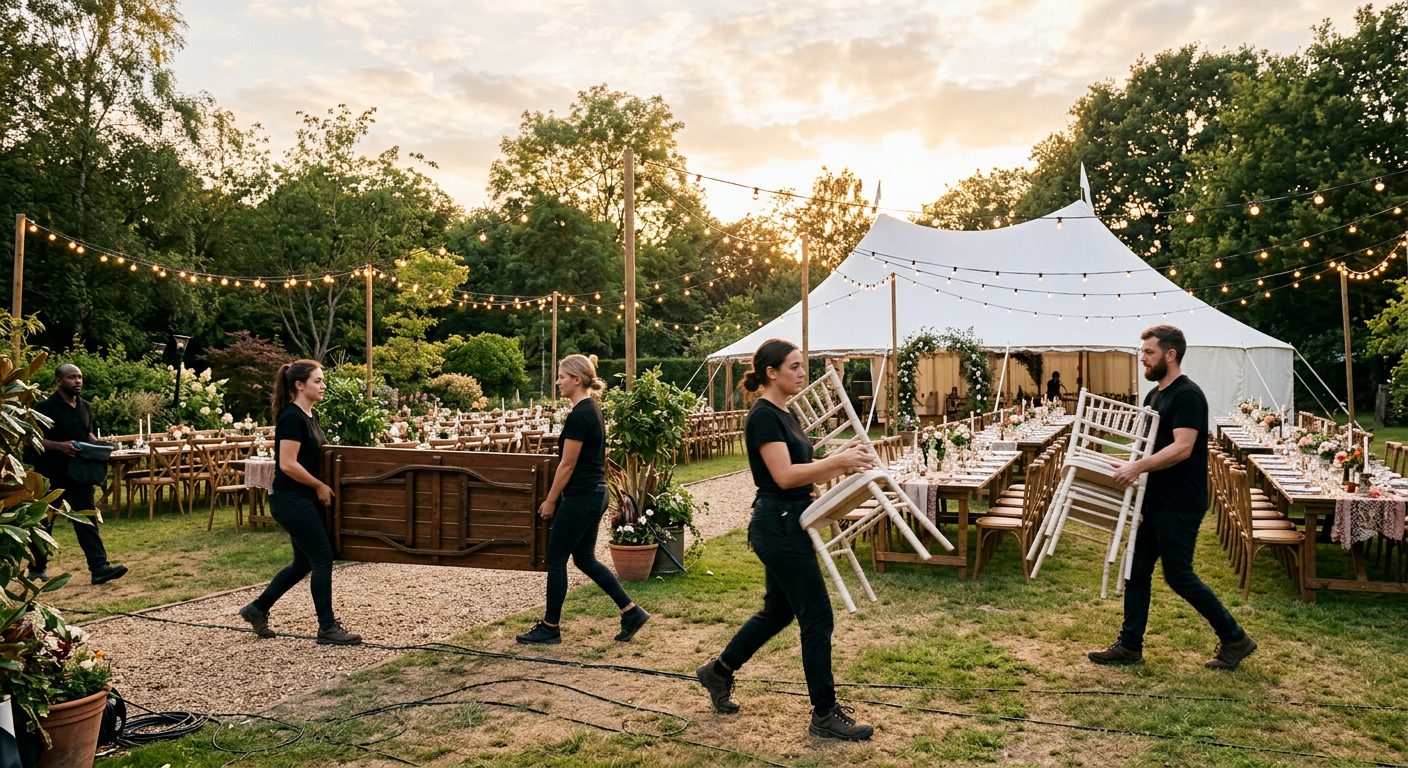 Events and catering A new venue every day and temporary staff.
Draw the circle around one field, invite one crew and let them clock in for two weeks, signal or not. You'll see who started where and when. The trial lasts 15 days, needs no credit card and doesn't bill when it ends.